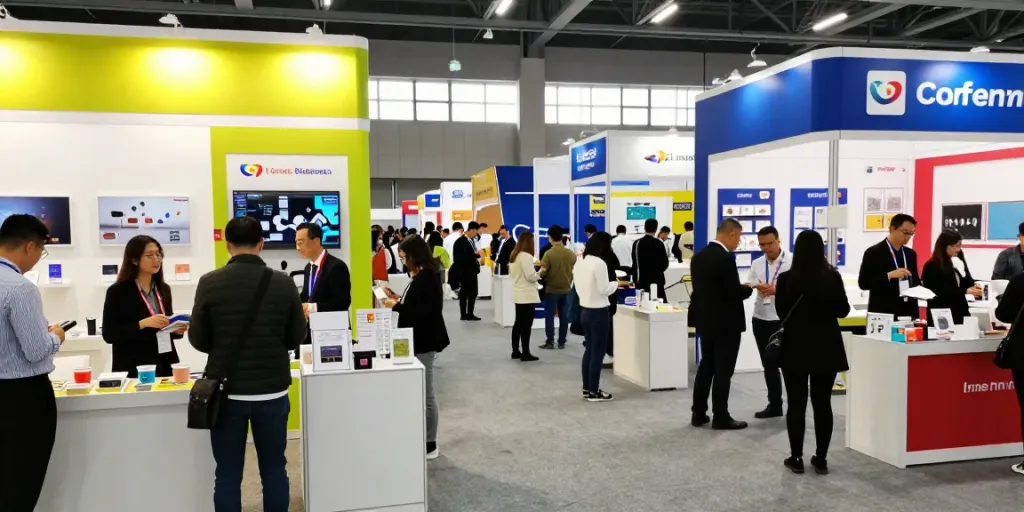
Understanding the Role of Aussteller in Trade Fairs
In the dynamic landscape of trade fairs, the term Aussteller, or exhibitor, plays a pivotal role in connecting businesses with potential customers. Exhibitors are integral to the success of trade shows, facilitating not just the display of products but also the exchange of ideas and innovations across industries. As we move into 2026, understanding the evolving nuances of the Aussteller's role becomes essential for companies aiming to harness the full potential of these platforms. For detailed insights into current exhibitor trends and offerings, Aussteller provides a comprehensive overview of participants in the trade fair ecosystem.
What is an Aussteller?
An Aussteller, in the context of trade fairs, refers to an individual or organization that presents goods and services at exhibitions. These can range from large corporates showcasing the latest technological innovations to smaller businesses trying to carve a niche in a competitive market. Understanding the specific characteristics of an Aussteller involves recognizing their strategic objectives, the audience they aim to attract, and the messages they want to communicate. Each exhibitor plays a unique role depending on the industry sector, whether it be technology, manufacturing, healthcare, or consumer goods.
The Importance of Aussteller for Business Growth
Engaging as an Aussteller at trade fairs is a potent avenue for business growth. By exhibiting their products and services, businesses can reach a broader audience, gather invaluable market insights, and forge meaningful connections with potential partners and customers. The visibility gained at such events not only helps in brand awareness but also significantly enhances sales opportunities. Furthermore, exhibitors can participate in discussions, workshops, and networking events that facilitate learning and growth within their respective sectors, thus creating a cycle of continuous improvement and innovation.
How Aussteller Influence Trade Fair Dynamics
Aussteller significantly shape the dynamics of trade fairs by determining the quality and variety of offerings. Their presence influences attendee traffic, which in turn impacts the overall success of the event. The interaction between Aussteller and attendees can lead to collaborations, partnerships, and even investments, making the relationships built during these events crucial. Moreover, the collective participation of exhibitors creates a vibrant marketplace where innovation thrives and competition fosters improvement, benefiting the entire industry landscape.
Key Trends Shaping Exhibitor Participation in 2026
Emerging Technologies for Exhibitors
As we advance, technology continues to revolutionize how Aussteller present their offerings. From immersive virtual reality experiences that allow attendees to engage with products in an interactive manner, to sophisticated analytics tools that track visitor engagement in real-time, emerging technologies are reshaping the exhibition landscape. Additionally, the integration of Artificial Intelligence (AI) enables exhibitors to tailor their presentations to meet specific visitor needs, enhancing the overall experience.
Sustainability Practices Among Aussteller
In light of growing environmental concerns, sustainability has become a central theme for Aussteller. Many exhibitors are adopting eco-friendly materials for booths, utilizing digital catalogs to minimize paper waste, and implementing green practices in their operational strategies. This shift not only aligns with global sustainability goals but also resonates with increasingly eco-conscious consumers, helping brands to foster loyalty and trust.
Changing Attendee Expectations in Trade Fairs
Attendee expectations are evolving, with visitors now seeking more meaningful and personalized experiences. They expect exhibitors to go beyond traditional displays, providing interactive and engaging setups that invite participation. As a result, Aussteller are exploring innovative ways to capture attention, such as hosting live demonstrations, offering hands-on trials, and utilizing gamification strategies to enhance engagement.
Best Practices for Successful Aussteller Engagement
Designing Effective Exhibition Booths
The design of an exhibition booth can significantly impact its effectiveness. A well-designed booth should reflect a brand's identity and be inviting enough to draw attendees in. Key elements include strategic layout, eye-catching visuals, and clear messaging. Additionally, incorporating technology like touchscreen displays can create an interactive experience that captivates visitors.
Creating Memorable Experiences for Attendees
To stand out, Aussteller must focus on creating memorable experiences for attendees. This can involve offering unique giveaways, organizing contests, or providing exclusive previews of new products. Such experiences not only enhance visitor engagement but also increase the likelihood of follow-up interactions post-event.
Networking Strategies for Increased Visibility
Effective networking is crucial for Aussteller looking to maximize their presence at trade fairs. Engaging in pre-show outreach, utilizing social media to connect with attendees, and participating in industry-related discussions can significantly boost visibility. Furthermore, collaborating with other exhibitors can help in sharing audiences and driving traffic to booths.
Measuring Success: Metrics for Aussteller
Key Performance Indicators for Exhibitors
For Aussteller, measuring success at trade fairs is essential for understanding the return on investment (ROI). Key performance indicators (KPIs) include the number of generated leads, the quality of engagements, and sales conversion rates following the event. Tracking these metrics can provide insights into what strategies worked and where improvements can be made.
Gathering Feedback from Attendees
Collecting feedback from attendees can provide Aussteller with valuable insights into their event experience. Surveys, interactive polls, and direct conversations can help exhibitors gauge what worked well and what aspects may need adjustments. This feedback is essential for refining future presentations and ensuring a better fit for target audiences.
Analyzing ROI for Trade Fair Participation
Analyzing ROI involves evaluating both tangible and intangible benefits of participating as an Aussteller. While immediate sales figures are critical, aspects such as brand awareness, market visibility, and customer relationships also contribute to the overall success of participation. By conducting a comprehensive analysis, exhibitors can justify their investment and strategize better for future events.
Future Predictions and Innovations for Aussteller
Anticipated Industry Changes by 2026
Looking ahead, several key changes are expected to influence the role of Aussteller in trade fairs. As digital transformations continue, hybrid events combining physical and virtual elements will become the norm, requiring exhibitors to adapt their strategies accordingly. Additionally, a stronger emphasis on personalized experiences through data analytics will likely shape how exhibitors engage attendees.
Innovative Approaches to Hybrid Trade Fairs
Hybrid trade fairs will necessitate a reevaluation of traditional exhibiting strategies. Aussteller will need to create cohesive experiences that engage both in-person and virtual attendees. This could include virtual booth tours and live-streamed product demonstrations, ensuring inclusivity and maximizing reach.
Insights from Leading Aussteller in Various Industries
Examining the strategies of leading Aussteller across different industries can provide valuable lessons for emerging businesses. Successful exhibitors often showcase adaptability to trends, a keen understanding of their audiences, and a willingness to embrace new technologies. By learning from their practices, smaller companies can enhance their own exhibition strategies and position themselves for success.